
































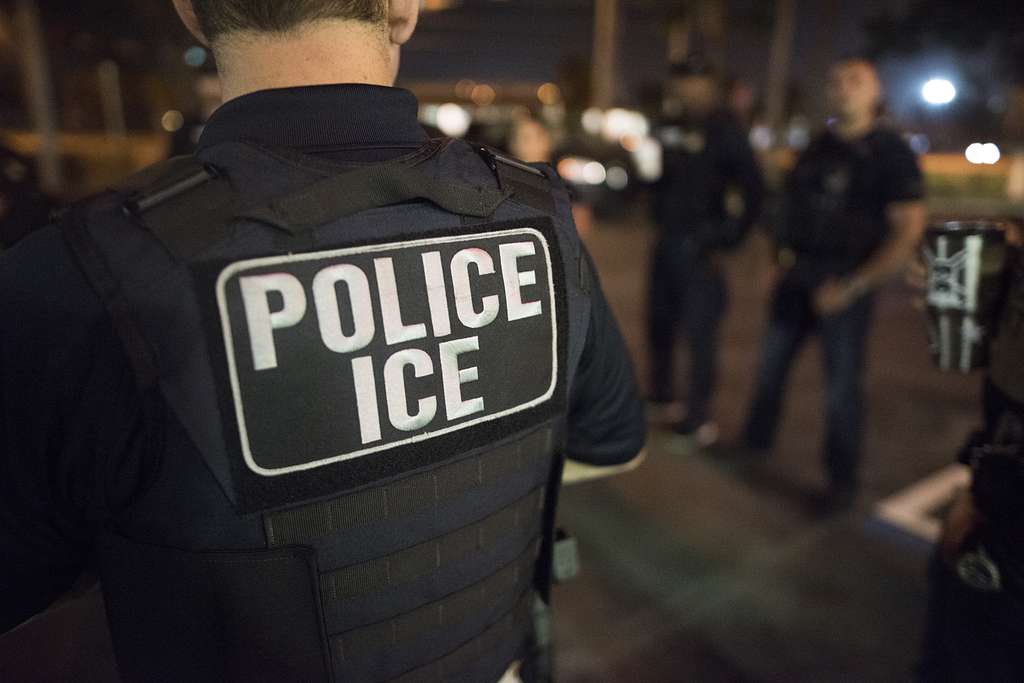











On January 7, 37-year-old Renee Nicole Macklin Good was killed by a federal Immigration and Customs Enforcement (ICE) agent who shot her during an enforcement operation in Minneapolis. A video taken at the scene shows ICE officers heading towards Good’s car as she tries to move away by backing up. One officer who was directly in front of the car with his weapon drawn shot three times through the window, hitting her in the head as the car started moving again.
Various federal agencies, including the Department of Homeland Security, announced the officer who shot the gun was justified as the agent was acting in self-defense. They blamed Good for “weaponizing” her vehicle, trying to harm the officers, and even referred to the incident as “domestic terrorism.” Nevertheless, local and state officials challenged this story, Reuters reported Minneapolis Mayor Jacob Frey stating that the footage did not show the officer being threatened with his life, and he labeled the federal story “garbage”.
AP reported that Good was a U.S. citizen and mother of three. Her family members told AP that she had just left her six-year-old son at school and that she and her wife were in the car going home when the incident happened. Witnesses at the scene told HuffPost that Good seemed obviously scared and was trying to leave, and a doctor who came to check her pulse was held up by ICE agents for about 15 minutes. The officer who fired the shots’ name was given as Jonathan David Ross, a 43-year-old who has been on ICE’s special response team for about 10 years.
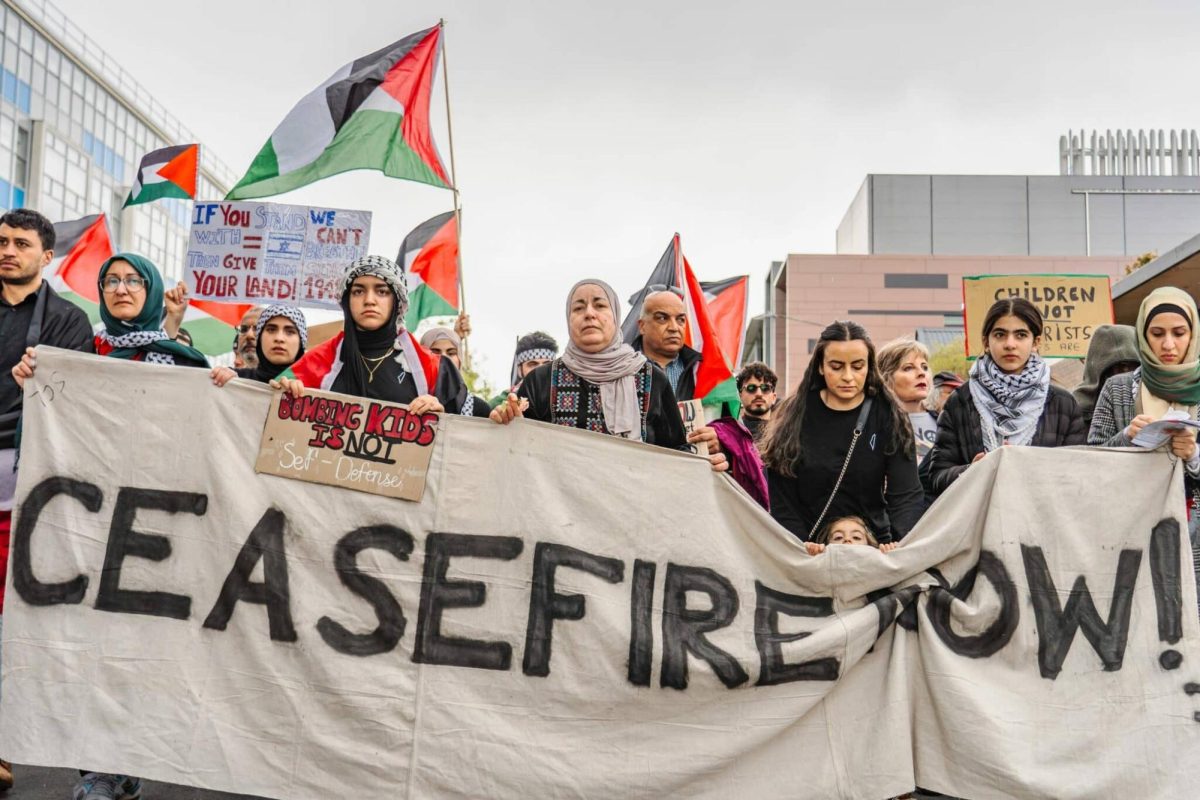
The shooting happened amid expanded federal immigration enforcement being stepped up, including operations targeting the Somali communities, and it has led to protests, memorials, and calls for a change in enforcement practices throughout the country.
Chico and other places in Northern California have had their share of ICE activities and public reaction. In May 2025, 56-year-old farmworker Paulo Frutos-Perez, a resident of Butte County with strong local roots, was taken by ICE. As reported by Chico News & Review, Paulos’ family and community members were upset at the way the situation was managed, and the case led to community talks about ICE’s presence and the conditions of immigrant workers in the area.
That, together with the national Minneapolis shooting, has been a factor in a wider conversation in Chico about immigration enforcement and community safety.
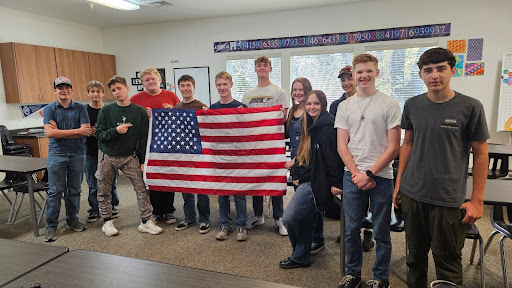
The CORE Insider spoke with CORE students to get a better understanding of how they are interpreting the Minneapolis shooting and its implications.
Maranda Moretto, a senior, blamed the ICE agents directly. “The ICE agents are at fault for illegally stopping someone, ” she said. Maranda considered the agent who shot Good a “murderer” and stated that she thought the act was premeditated.
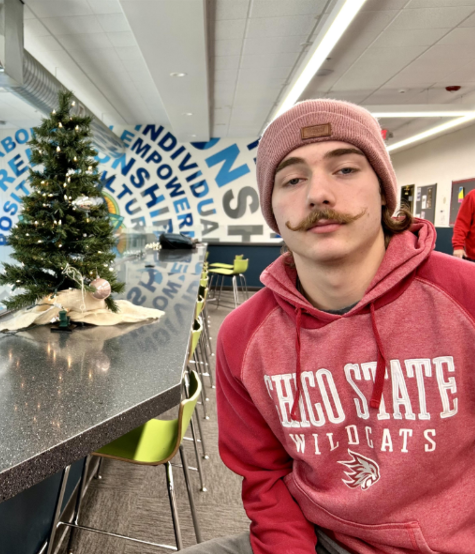
Noah Lowe, also a senior, said the news made him feel sad and stressed the importance of de-escalation. “This should be a lesson to everyone that we need to de-escalate situations before resorting to violence, ” he stated. When asked how the event might alter people’s view of police, he said, “It will further add to the stigma against government agencies.”
A student who asked to remain anonymous called it “murder”. “I saw that the shooter had a gun pulled out prior to any ‘threat’, ” the student said. “It’s insane that our president is defending this, and it’s furthermore insane that the people actually stand behind him.”
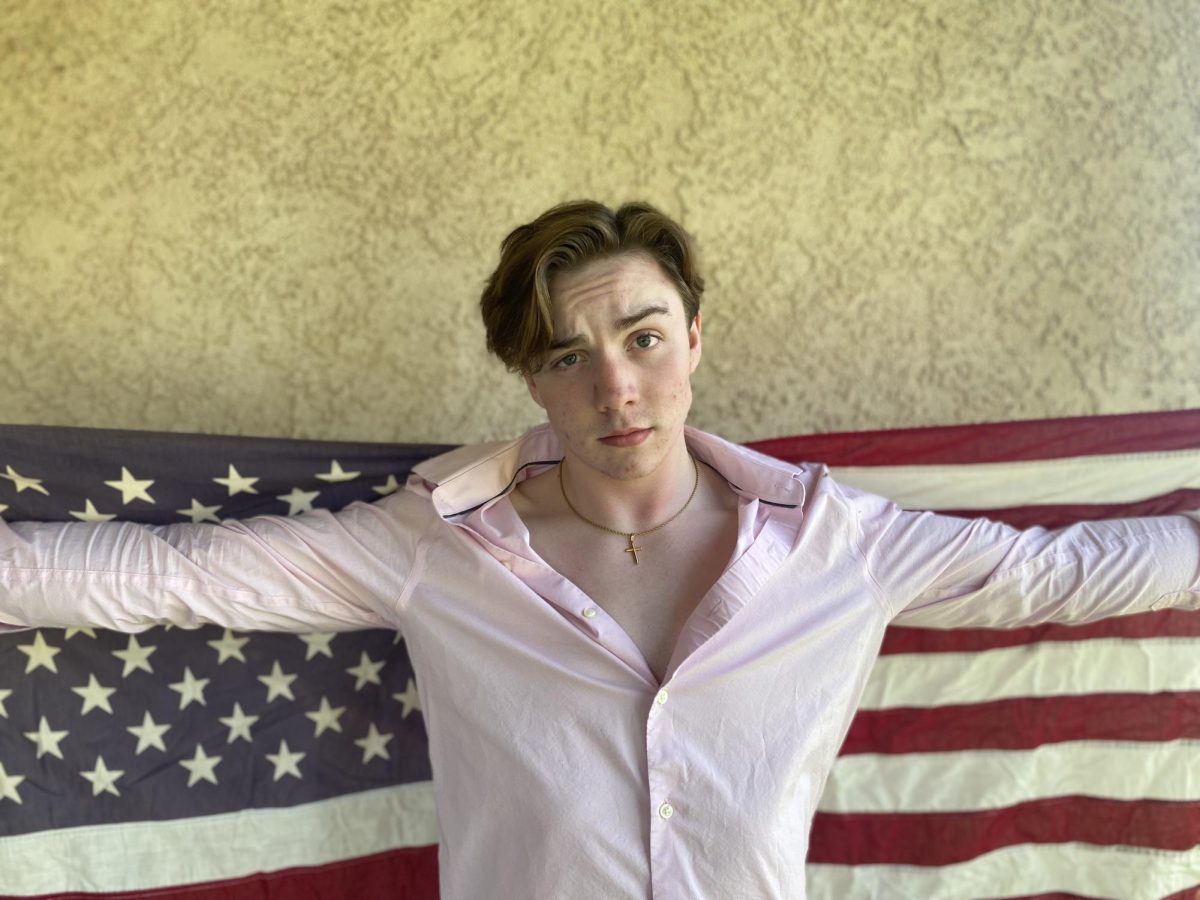
Junior Jack McHugh shared his opinion about law enforcement. According to him, the incident “had probably increased the stigma and overall hate toward the government workers, the cops too.” He explained that the shooting influences people’s opinions concerning law enforcement corruption.” “This event not only shows that we as Americans are not safe anymore, ” Jack said. “The American way is being twisted to benefit white, left-wing people.”
Responses from CORE students reflect a range of perspectives from anger and questions about the use of force to calls for de-escalation and concerns about law enforcement’s reputation. These reactions, set against both national coverage and local experiences with ICE activity in Northern California, show how a single national incident has resonated within the CORE community.