


































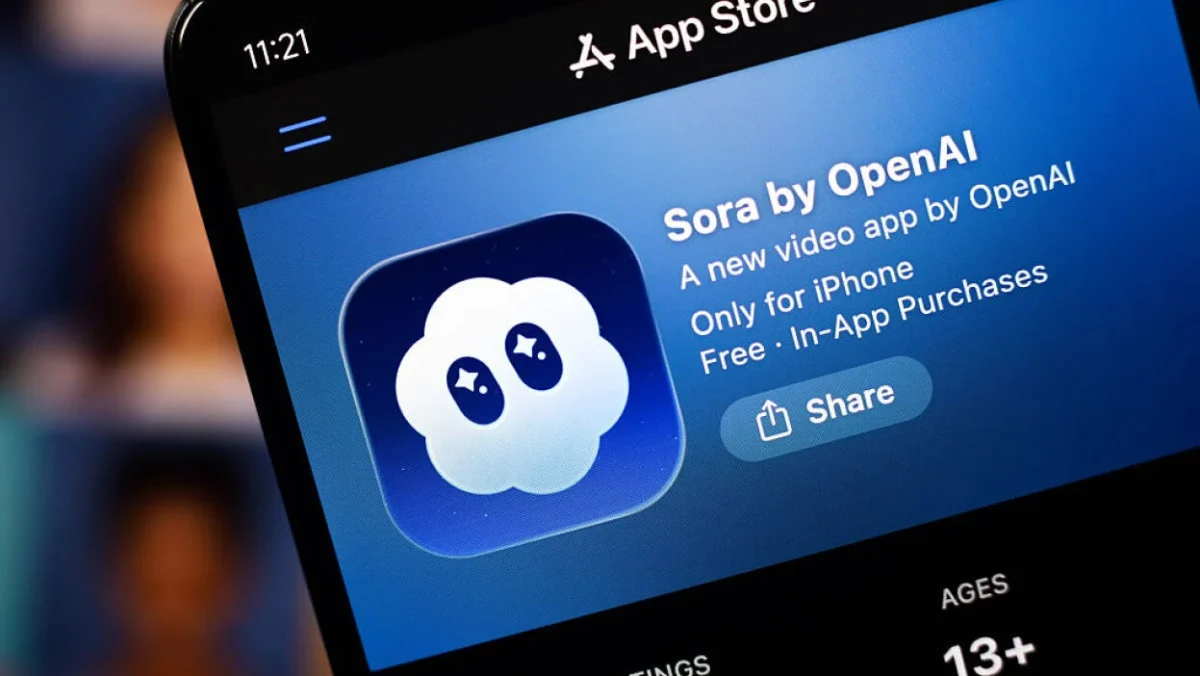












On April 26th, 2026, Sora AI will be discontinued, and permanently shut down in September of this year. The reason for this shutdown is due to the fact that it was becoming too costly to continue making videos. Upon launch, the app had over a million users, which slowly dwindled down to 500,000. This drop in interest, along with the fact that creating these videos was completely free, made it hard to justify the high cost on AI chips.
Along with the financial issues, the poor success of Sora was causing Open AI to lose their progression in the AI race. Claude Code was taking the attention of software engineers and striking deals with enterprises that only furthered its success, effectively taking over Open AI’s dominance in the AI race.
Due to this, the CEO made the decision to drop Sora and refocus their production on more productive things, leaving behind the generational AI video idea. This occurred right as Disney was willing to make a billion dollar partnership with the app, but they found out that Sora was being shut down long before the public was aware. The partnership was dropped immediately.
As more details came out, it became clear that Sora’s shutdown was not just about user numbers, but about long-term sustainability. Video generation requires far more computing power than text or image models, and each generated clip uses large amounts of processing on specialized AI chips. Industry analysts estimate that running large-scale video AI platforms can cost companies hundreds of thousands to millions of dollars per day, especially when offered for free to users. This made it difficult for Sora to compete with other AI tools that were cheaper to run and easier to monetize.
There were also growing concerns about copyright and content ownership. Because Sora allowed users to generate realistic video scenes, questions were raised about whether the system was trained on copyrighted material and how that content could be used. These concerns made it harder for companies to confidently invest in or partner with the platform, even before the shutdown was announced.
At the same time, OpenAI began shifting its focus toward enterprise tools and more practical applications of AI. Products that help with coding, business workflows, and automation were seen as more reliable sources of revenue compared to experimental creative tools like Sora. This shift reflects a broader trend in the AI industry, where companies are prioritizing stability and profit over rapid experimentation.
Even though Sora is being shut down, its impact on AI development is still significant. It showed how quickly AI video technology has advanced and what might be possible in the future. However, it also revealed the current limits of the technology, especially when it comes to cost and scaling.