


























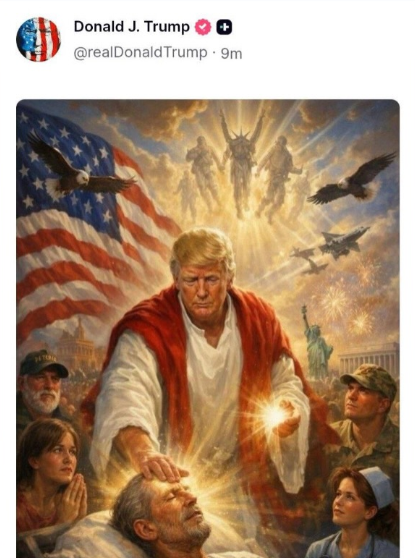










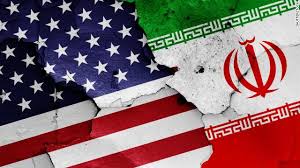











At the start of 2026, U.S. President Donald Trump reignited a long-standing geopolitical dispute over Greenland and raised international concern by repeatedly threatening that the United States would take the Arctic island “the easy way or the hard way”. Trump’s statements have damaged the US-Denmark relationship, scared NATO partners, and the Greenland government has condemned the remarks.
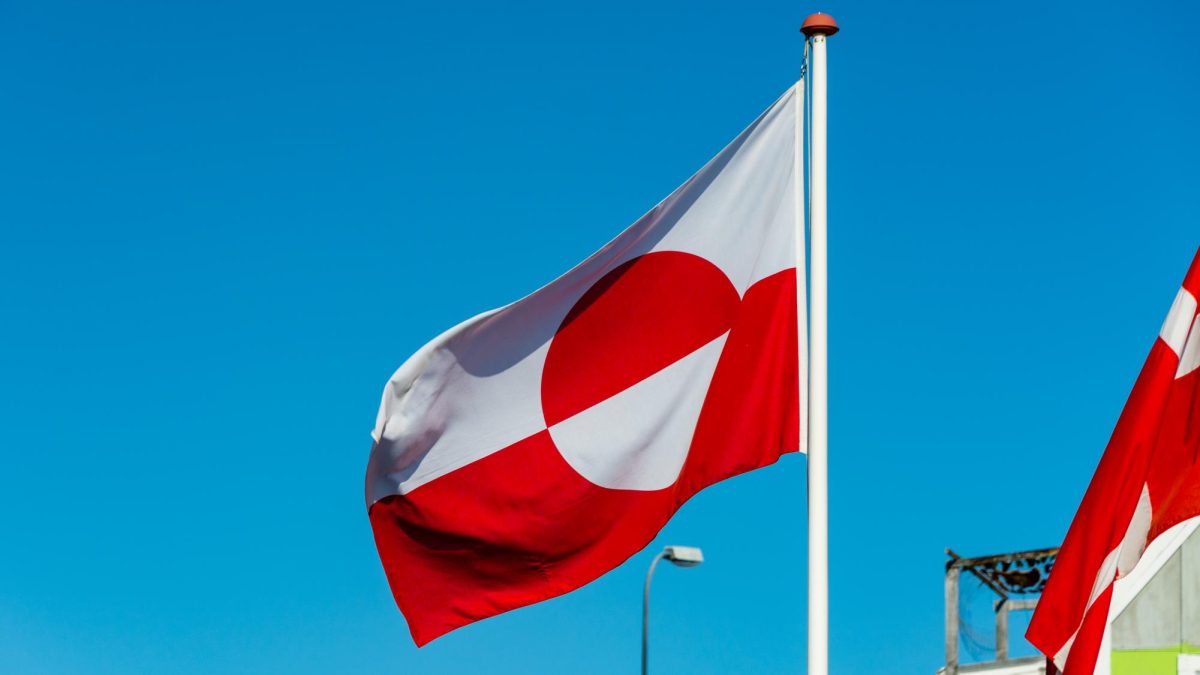
Greenland is the world’s largest island and an autonomous territory within the Kingdom of Denmark. Located between the Arctic and Atlantic oceans. Its population is more than half that of Chico, which consists mainly of Inuits. Greenland is rich with natural resources, and there is a growing focus on its rare earth minerals.
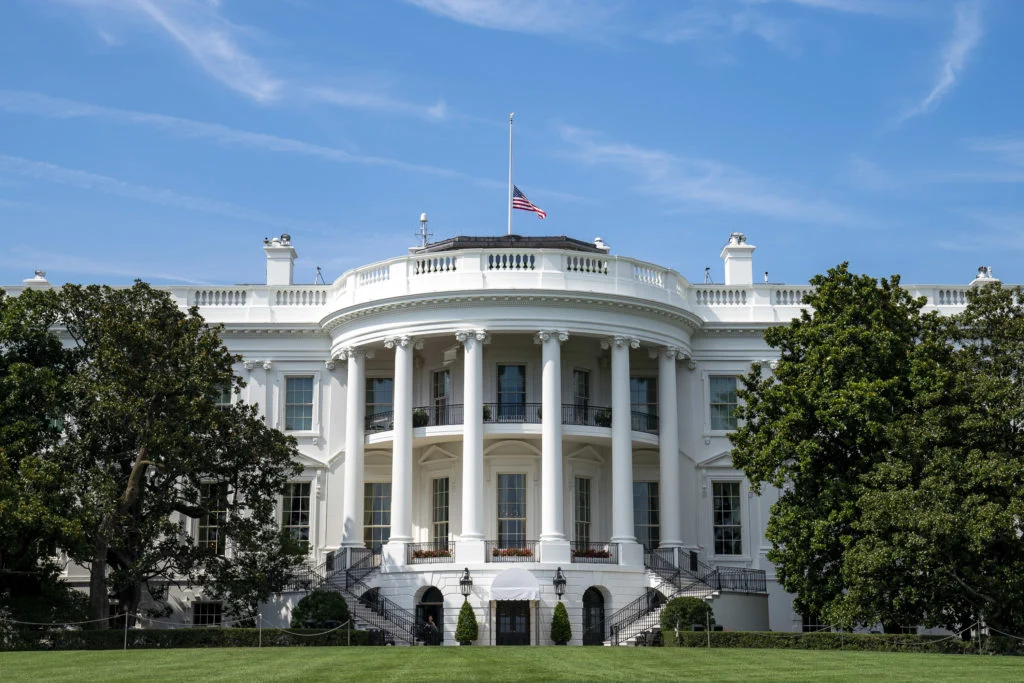
On January 9, during a White House meeting with oil industry executives, Trump told them that the US was determined to “get Greenland” whether they liked it or not. In an interview with Sky News, Trump said that it was necessary for the US to have a hold on the island to prevent Russia or China from taking advantage of the Arctic area. Trump said that he would prefer to reach an agreement through negotiation “the easy way,” but if that was not successful, America would go after it “the hard way,” thereby hinting at potentially forceful actions.
The government of Greenland has emphatically stated that it would be a complete “no” to the U.S. takeover under any scenario. Moreover, the government has hinted at the idea of fortifying its military, as reported in The Guardian. The leaders of Denmark warned that the U.S.would have no right to take possession of the island and that such a move may lead to the deterioration of alliances, including NATO, says The Guardian.
Greenland’s prime minister, Jens-Frederik Nielsen, told Reuters, “Greenland does not want to be owned by the USA. Greenland does not want to be governed by the USA. Greenland will not be part of the USA. We choose the Greenland we know today.”
The reason why Greenland is of interest to the United States is its geographical location in the Arctic Circle, where the ice is melting, resulting in new sea routes being opened. This, in turn, is leading to increased competition for access and influence in the region. Greenland’s location between North America and Europe makes it good for defense and monitoring.
The US military presence in Greenland goes back a long time. When World War Two broke out, and Germany occupied Denmark, the United States moved in to occupy Greenland to defend it. The U.S. military received permission for this occupation through a deal signed by the Danish ambassador Henrik Kauffmann in 1941, which later became the basis for the American military presence, including the Pituffik Space Base today.
The U.S. desire to purchase Greenland can also be traced back several decades. In 1946, the Truman administration offered Denmark 100 million in gold for Greenland. The offer was rejected.
The dispute has also attracted attention from rival powers. Reuters quoted a senior Russian official as saying semi-sarcastically that Greenland could choose to join Russia under certain conditions. He saw this situation as a competition of great powers rather than just an alliance dispute.
For the administrations of Greenland and Denmark, along with a large part of Europe, the core message remains: Greenland’s future should be in the hands of its residents, and its sovereignty cannot be compromised.