






















































There is no question that the US is almost always involved in conflicts around the world, and the recent conflict in Iran is no exception. Since 2025, massive protests have arisen in Iran due to the economic crisis it has been facing and its corrupt government, which restricted people’s freedoms, especially for women and younger individuals. Due to the oppression in Iran, millions of people resorted to protesting for their freedoms. The government, however, responded with extreme force rather than hearing them out.
The government began mass executions of these protesters, with some estimates reaching into the thousands, and also cut off internet access to make communication increasingly difficult.
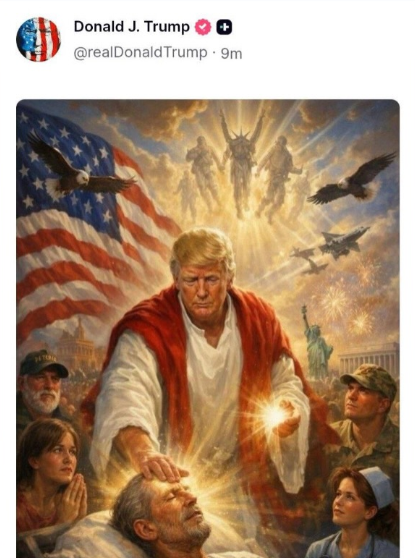
Due to prior negotiation issues with Iran, US President Donald Trump promised immediate help to the people of Iran, which did not come until the death count reached the thousands. The US became involved due to talks of a nuclear deal beginning in 2025. While the talks nearly succeeded this February, disagreements over nuclear rights, sanctions, and mutual distrust halted progress. Some politicians also pushed back against Iran halting its nuclear program. An agreement was close, but tensions caused discussions of peace to collapse at a critical time.
On February 28, 2026, the US and Israel coordinated missile strikes on Iran, targeting nuclear sites, military bases, and top leadership. Iran’s supreme leader, Ali Khamenei, was reportedly killed during the strikes. Along with these targets, civilians were also affected, including a strike on a girls’ school that killed hundreds of children aged 7 to 12. The attacks caused severe damage and escalated into a broader regional conflict.
Iran retaliated with drone and missile attacks across the Middle East, including strikes on US bases, oil infrastructure, and shipping routes. These attacks affected Lebanon, Gulf states, and other areas. Key oil routes such as the Strait of Hormuz were disrupted. As a result, energy prices surged, trade was disrupted, and flights and shipping were affected worldwide. One noticeable impact has been rising gas prices.
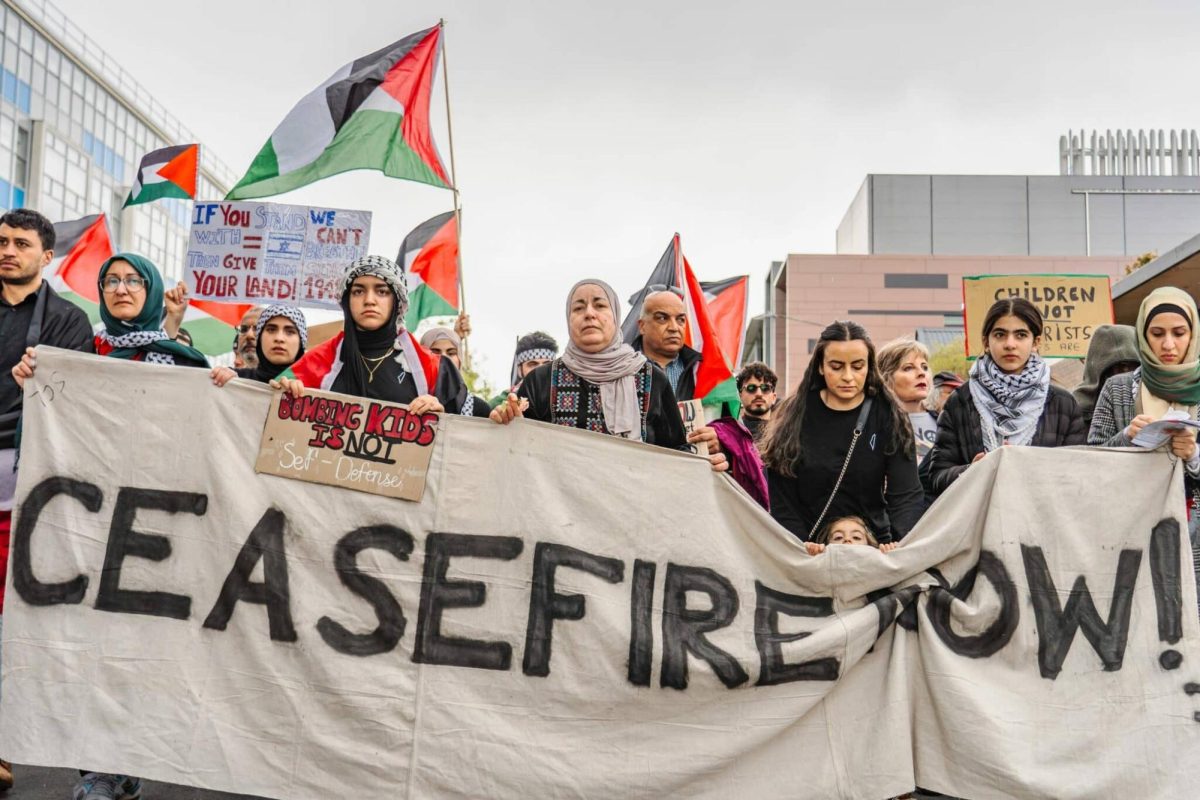
Along with the thousands killed across the region, the war affected people globally, and many protested against the conflict. International tensions also strained alliances, including those between the US and Europe. Following a threat of escalation by the US president, a temporary ceasefire was in place from April 7 to 8. Despite this, indirect fighting continued and trust between the two countries remained low.
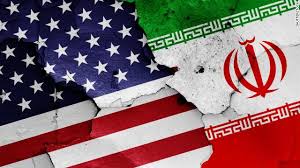
Recently, the US and Iran held negotiations to reach a peace deal. The talks ended without an agreement, with key disagreements over Iran’s nuclear program, missile limits, control of the Strait of Hormuz, and sanctions relief. The US position was that Iran would not give up its nuclear ambitions, while Iran argued that US demands were unreasonable.
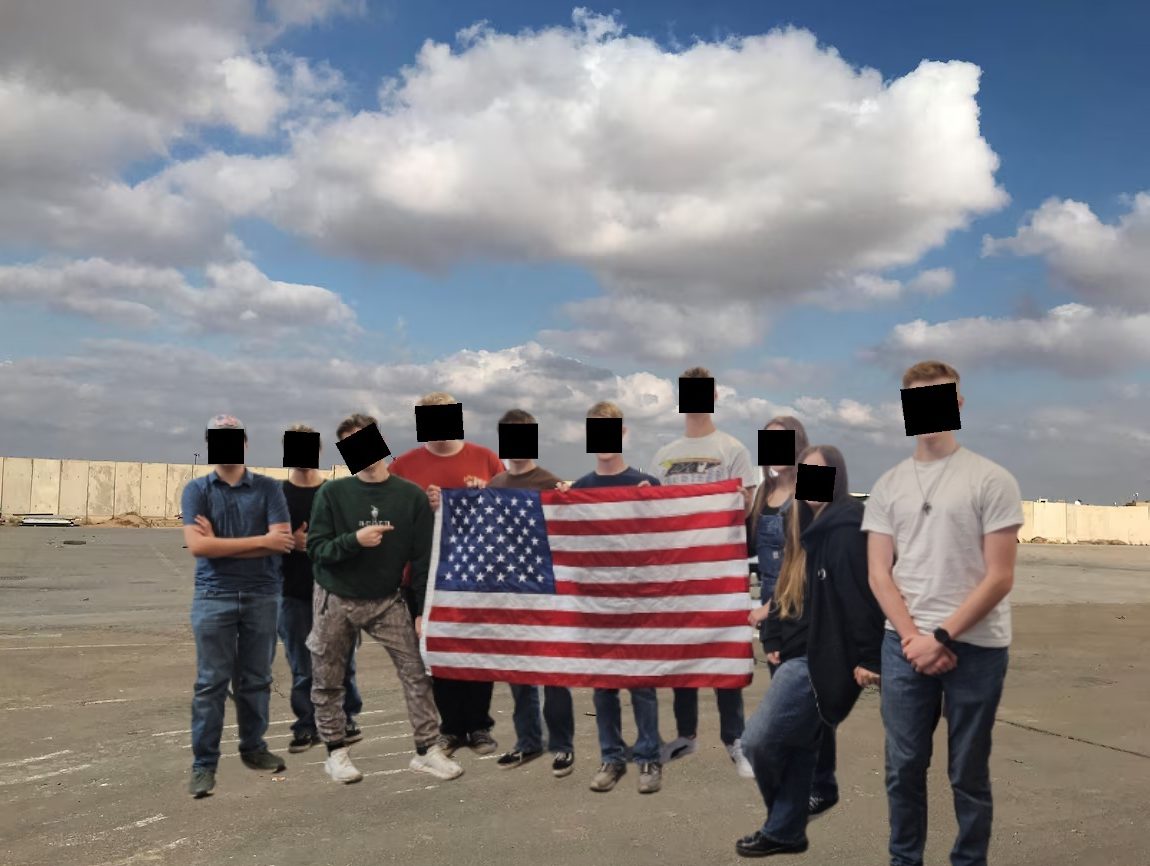
As of April 11, 2026, the war is paused, but tensions remain high between the US and Iran, with Middle Eastern countries caught in the conflict along with civilians. Iran continues internal crackdowns, and nuclear development remains a central issue. The region remains at risk of renewed conflict, as the ceasefire has not resolved major issues. The US is also increasing domestic preparedness, stating that by December 2026, all men ages 18 to 26 eligible for military service will be automatically registered with the Selective Service System, meaning they could be drafted in the event of a national emergency.