






























































Long ago, back in the ye olden days of 2000, if you went into a store to purchase a 12-pack of soda cans, such as Coca-Cola, it would cost you around $4. Nowadays, that same purchase would cost you almost $8. Nearly double the price. Since 2000, prices have risen by 88.14%, meaning that the buying power of a single dollar has dropped to almost half of what it was in 2000. If inflation continues at its current rate of 3%, then it would take $209 to buy what you can currently get with $100. Things like gas have increased significantly; the price of gas in 2000 was around $1.50, whereas now a gallon costs $3, and in California, with all of the taxes, it is closer to $4.50.
This, combined with around 7.4 million Americans being unemployed, means many people can’t afford basic necessities. Prices have increased to the point where the penny has been entirely discontinued, with the last ever penny being minted on November 12, as producing a penny costs 3.7 cents.
Minimum wage has increased from $5.75 per hour to nearly $17.00 per hour here in California, but with the buying power of a dollar being less, that would be equivalent to $9.04 in 2000. This is still $10 less than a livable wage here in California, meaning that a single adult with no children would need two jobs paying minimum wage to make a livelihood. In fact, the federal minimum wage of $7.25 per hour is extremely insufficient for a person to live even close to comfortably, as the average livable salary in the United States is approximately $23 per hour.
Housing costs have also increased significantly, with the median house price rising from $119,600 in 2000 to around $422,800 today. Even with two minimum wage jobs, working 40-hour weeks, you’d only make $68,640 annually.
This makes the idea of ever buying a house for Gen Z sound like an impossible dream. “Even with a stable job, I’d not be able to get a house I’d be comfortable with owning within a decade,” said CORE junior Noah Lowe. “Not anytime soon.” When asked about their feelings about buying a house, 94% of Gen Z are worried, and another 60% think they will never be able to afford a home. Unfortunately, inflation does not have a single simple solution; lowering prices would take years, and with the push and pull of supply and demand, there is little possibility of inflation going away.
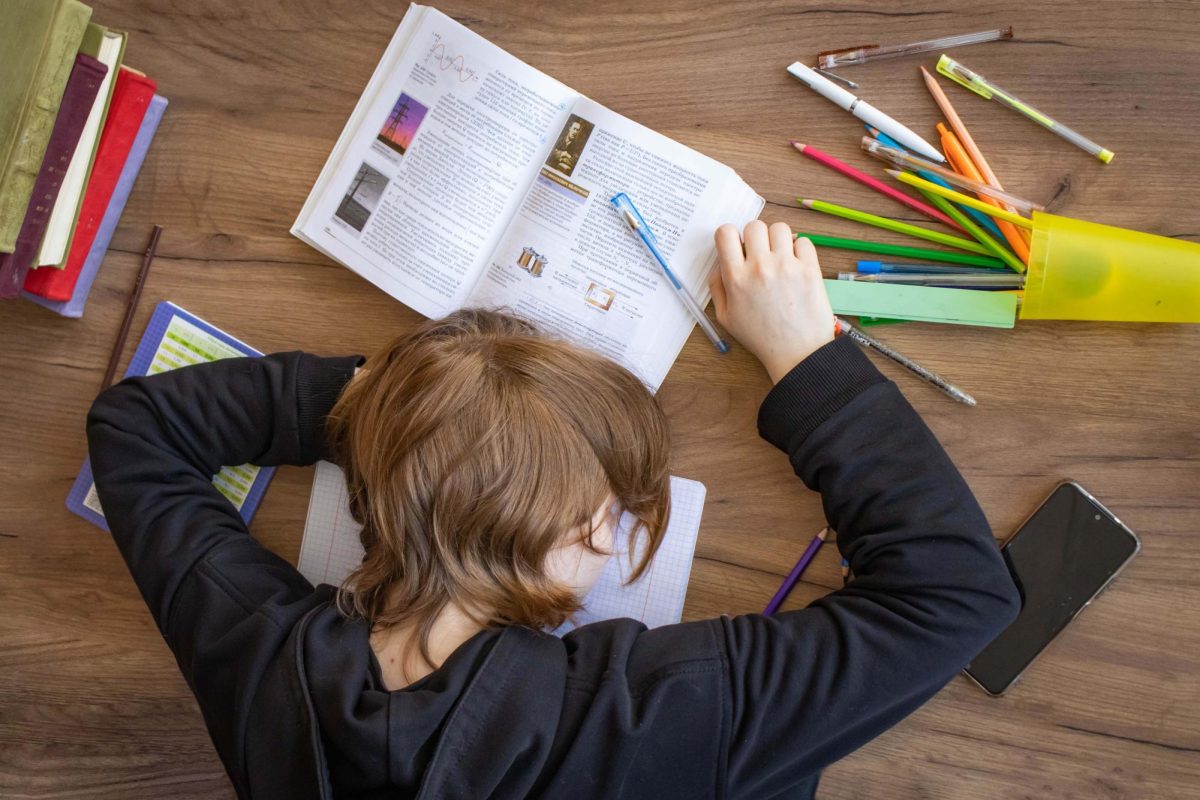
Schools can be equally affected by inflation, with the cost of textbooks for a college student being around $754 a year in the year 2000, whereas now the cost has gone up to nearly $1,370. Making it harder for students and even schools to get their hands on supplies. When asked if inflation affects the school, principal Matt Harvey said, “Yes, inflation often outweighs the funding we get, so that is a constant struggle to figure out how to do more with less.”
Obie Stover • Dec 11, 2025 at 7:18 pm
Good article! It’s honestly really scary how quickly the value of a dollar has gone down, which makes me wonder if we might go the way of the papiermark in Germany in the 1920s
Emiliano Garcia-Sarnoff • Dec 12, 2025 at 10:25 am
It always feels like it “can’t happen here”…until…