





























































AI is becoming a large part of our daily lives, and many students and staff at CORE are well aware of this fact. Often used to assist with homework, assign new material to students, or help with annotating, organizing, etc., AI is inescapable. However, what many might not be aware of is the danger in the rise of AI deepfakes.
An AI deepfake is any digital content — typically images, videos, or recordings — that has been altered in any way with artificial intelligence. If this doesn’t sound worrisome, many AI deepfakes consist of illegal or inappropriate scenarios, portraying people in a way that ruins their reputation.
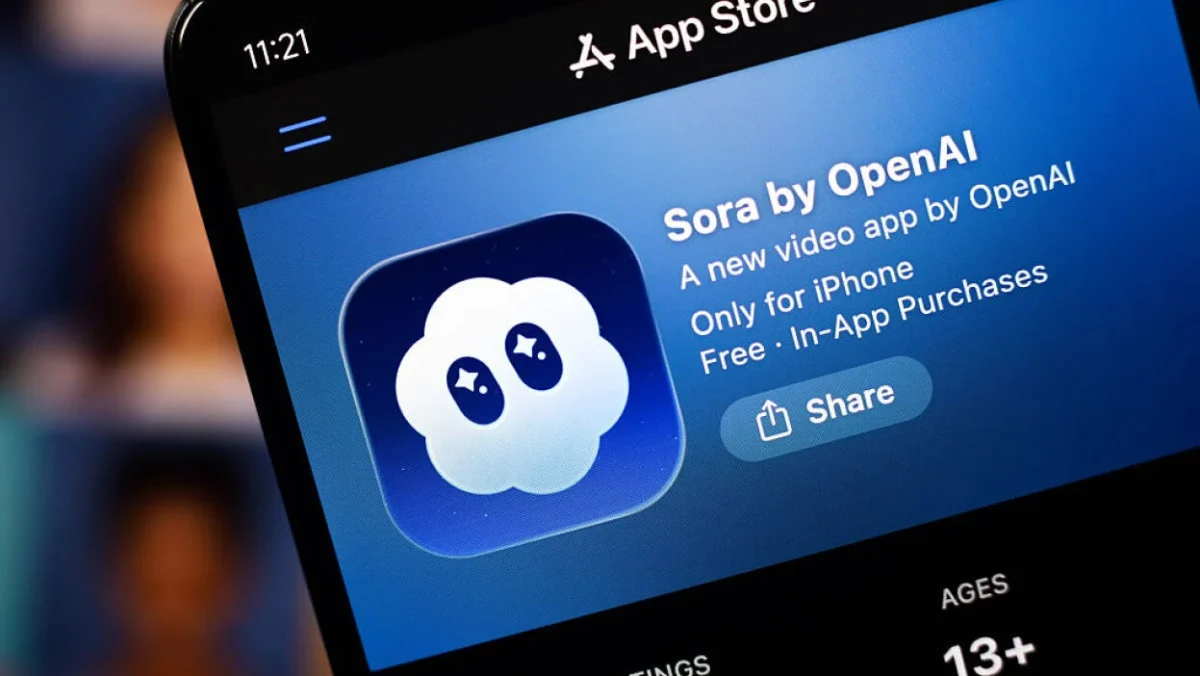
What many may not realize is how accessible such material is, and more critically, how easy it is to create. Recently, there have been apps being advertised on TikTok, showcasing their easy method of creating AI deepfakes. Marketed as a simple and funny way to prank your friends, all you have to do is give the app someone’s face, and it can portray them in any scenario. Considering that TikTok is such a popular app, likely many — if not every — CORE student uses it. Having an app being marketed towards our youth, in which it is easy to create harmful material for others, is frightening for obvious reasons. The CORE Insider interviewed a student at our school, senior Paige Dearth, about the subject. “My thoughts are that it is very sick and gross,” Paige said. “People can’t consent to having their body being deepfaked, and it’s very concerning when it can be done with minors.” Paige said that a good way people can discern the real from the fake is by looking at the background and movement. “It’s scary seeing children or loved ones getting deepfaked,” Paige said. “I want people to know the serious dangers.”
David Watkin, who teaches computers at CORE, shared the same sentiment, but also added that it is a good thing that people are so skeptical of potential deepfakes; it means that deepfakes are likely easier to be called out and essentially useless. However, he knows it can be reputation-ending, and in certain tragic cases, even life-ending. When asked what he thought about the advertised app, he said that it was horrible but also expected. “Humans are naturally curious, so we invent new things just to see if we can,” Mr. Watkin said. “Humans are also naturally kind of terrible, so once we answer the question of ‘can we do this?’ the next question, for some people, inevitably becomes ‘how can we use this to do terrible things to other people?’” Mr. Watkin suggests that anyone thinking of creating or participating in the publication of AI deepfakes should stop to consider if they would want the same to happen to them. “If the answer is ‘no,’ or ‘probably not,’ don’t do it to anyone else.“